
Fanfare
January 2003
IRELAND Violin Sonata No. I in d. Cello Sonata in G
Piano Trio No. 2 in E
The Holy Boy
John McCabe (pn); Daniel Hope (vn); Julian Lloyd-Webber (vc)
Someday, John McCabe will have his due. A really fine composer and an important administrative figure, here he’s back at the ivories in the service of neglected music by someone else. John Ireland has had several pianistic champions, and his work was covered quite well by Lyrita in the LP days, but McCabe has the edge on previous players of this repertoire through technique, sympathy, and imagination. Hear him in the middle section of the early (1908—09) Violin Sonata’s slow movement: real depth and sustained atmosphere. McCabe’s partners share in creating this intense, dedicated mood. Hope’s tone isn’t always caught at its best by studio microphones, but he has the measure of this late-Romantic half-hour, filled with entirely personal, often dancing tunes, written at the time of the great innovations of Busoni and Schoenberg.
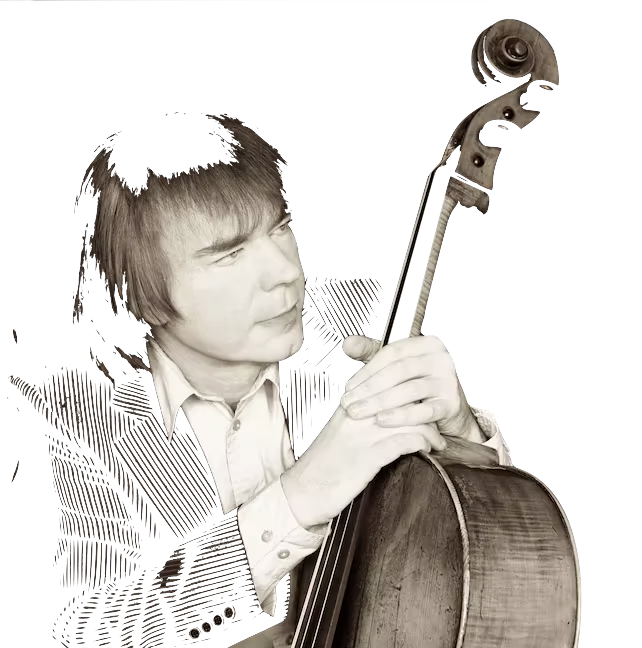
Lloyd-Webber has some more memorable material to hand in the 1923 Cello Sonata (though not in the dreary carol arrangement that ends the CD). The themes, structural logic, and emotional power all come together in this compelling piece, and Lloyd-Webber strikes the right tone all through, somewhere between ecstasy and anguish. The freedom and the cultured tone and phrasing could only come from artists wholly convinced of the quality of this uneasy music. The final climax often sounds strained, but McCabe and Lloyd Webber are right on the money. The one-movement Trio of 1917 can sound even darker, with bitter, regimented marching figures expressing Ireland’s dismay at trench warfare and its implications. Ten minutes in. the work’s forward impetus dissipates, leaving the cellist to some quiet. soulful ruminations, then a remarkable splintered dialogue with his colleagues. The last couple of minutes rally for a more upbeat march, but the message of the final string upsurge is still “Why?” This Trio is another of the composer’s best works.
Played badly, Ireland can meander like a stream of more miserable Delius. The expressive potential just soaks away, and I have spent 35 years unconvinced, probably as a result. This well thought-out ASV disc would make a very good place for unbelievers to start their Ireland studies.